Sail Solo Around the World
From $100k
At a Glance
$100k+
1-3 years
Global
Planned around global weather patterns
About This Experience
Solo circumnavigation by sailboat represents the ultimate expression of self-reliance on water—a journey of 21,600+ nautical miles through all the world's oceans, alone with your vessel and your skills for one to three years depending on route and pace. The first solo circumnavigation wasn't completed until 1898 (Joshua Slocum aboard Spray), and the achievement remains rare enough that each completion earns recognition in the global sailing community. The route selection involves fundamental choices that shape the entire voyage. The trade wind routes circle the globe in lower latitudes, utilizing predictable wind patterns but requiring transit through pirate-risk areas and potentially problematic canal passages (Panama, Suez). The Southern Ocean route follows the clipper ship tradition through the "roaring forties" and "furious fifties," accepting brutal conditions in exchange for simpler logistics and uninterrupted ocean passages. The five great capes—Good Hope, Leeuwin, Southeast Cape, Horn, and Agulhas—define the Southern route's milestones, each marking survival of notoriously dangerous waters. The vessel requirements for solo circumnavigation prioritize reliability, self-steering capability, and single-handed manageability over speed or comfort. The boat must be strong enough to survive conditions that destroy lesser craft, simple enough that one person can maintain all systems, and sufficiently well-designed that self-steering gear can hold course for days while the solo sailor sleeps, maintains equipment, or waits out storms. Most successful solo circumnavigators choose boats between 30-50 feet, though record attempts use larger performance vessels that trade reliability for speed. The preparation timeline for a solo circumnavigation typically spans years. The sailing experience required includes extensive offshore racing or cruising, ideally including at least one ocean crossing as crew before attempting solo circumnavigation. The boat preparation involves systematic inspection and upgrade of every system, installation of redundant equipment, and provisioning for passages of 30+ days between resupply opportunities. Many solo circumnavigators spend more time preparing than sailing. The psychological dimensions of solo circumnavigation receive intense attention from participants and researchers. Months of isolation, the constant responsibility for decisions that determine survival, the accumulated fatigue that degrades judgment over time, and the extreme experiences that no one else witnesses create psychological conditions unlike any land-based experience. Some sailors report profound loneliness and depression; others describe transcendent connection with ocean and self. The difference often lies in psychological preparation as much as personality. The Southern Ocean passages represent the most dangerous segments of any circumnavigation. Storms generate waves that can exceed 60 feet; gales persist for days without respite; cold and wet conditions challenge equipment and human endurance simultaneously. The nearest rescue in parts of the Southern Ocean may be days away even if conditions permit rescue attempts. Solo sailors in the Southern Ocean operate with full awareness that self-reliance isn't philosophical preference—it's the only option available. The Golden Globe Race recreates the spirit of the first solo circumnavigation races, prohibiting modern technology and requiring sailors to navigate by sextant, communicate by single-sideband radio, and sail boats of traditional design. The race provides a supported framework for attempting what remains one of humanity's great adventures, with tracking for safety while preserving the essential challenge. The Vendée Globe, in contrast, permits cutting-edge technology in a competitive race that has driven solo circumnavigation speeds to extraordinary levels. The return to port after solo circumnavigation marks the end of an experience that changes every participant. The isolation reveals self-knowledge unavailable through ordinary life; the accomplishment provides confidence applicable to challenges beyond sailing; the perspective gained from months of simplicity on water shifts priorities on land. Those who complete solo circumnavigations rarely describe it as purely enjoyable—the hardship is real—but virtually all describe it as transformative in ways that justify the difficulty.
Cost Breakdown
Estimated costs can vary based on location, season, and personal choices.
Budget
Basic experience, economical choices
Mid-Range
Comfortable experience, quality choices
Luxury
Premium experience, best options
Difficulty & Requirements
Expert level. Extensive preparation, skills, and resources needed.
Physical Requirements
Ocean sailing expertise, self-sufficiency
Prerequisites
- Extensive offshore racing experience
- Boat maintenance skills
- Weather routing knowledge
Tips & Advice
Most solo circumnavigators have 10+ years sailing experience
Proper boat preparation takes 1-2 years
The Southern Ocean is the most dangerous section
Mental preparation is as important as physical
Join the Golden Globe Race for a supported attempt
Community Discussion
Ask questions, share tips, or read experiences from others.
View Discussions Start DiscussionShare This Experience
Quick Summary
- Category Adventure
- Starting Cost $100k
- Time Needed 1-3 years
- Best Season Planned around global weather patterns
- Difficulty Extreme
You Might Also Like
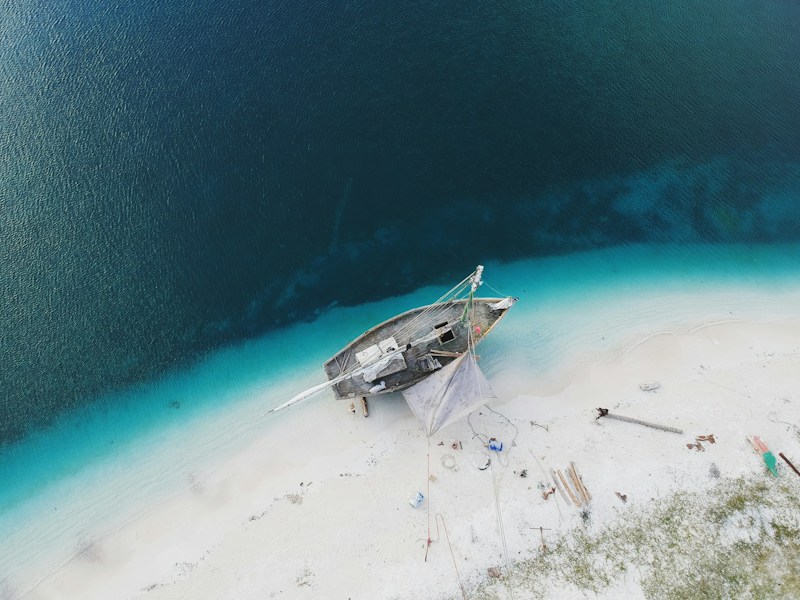
Cross an Ocean by Sailboat
Make an ocean passage under sail power.
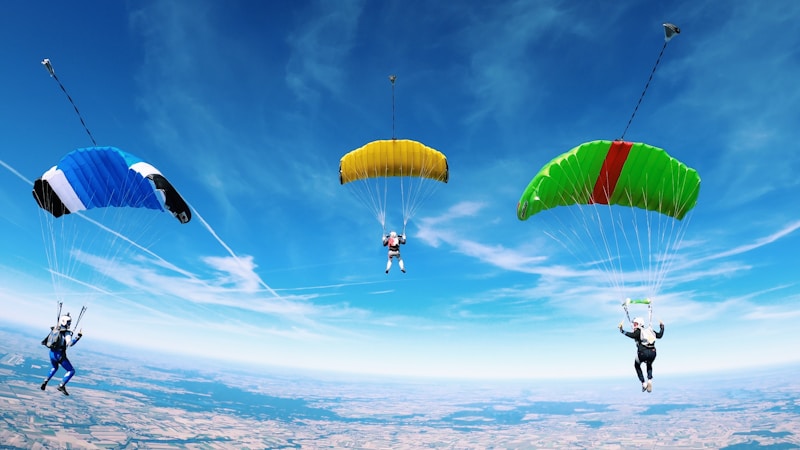
Go Skydiving
Experience the ultimate adrenaline rush by jumping from a plane.

Bungee Jump
Take the leap and freefall before bouncing back.
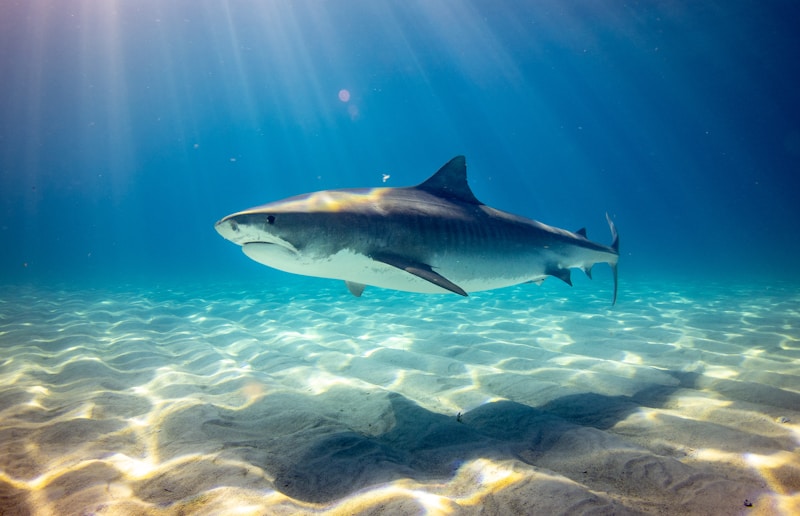
Cage Dive with Great White Sharks
Come face-to-face with the ocean's apex predator.