Cross an Ocean by Sailboat
From $2.0k
At a Glance
$2.0k+
2-4 weeks depending on route
Atlantic, Pacific, any ocean
Weather window dependent
About This Experience
Crossing an ocean by sail represents one of humanity's oldest and most profound adventures—the same essential journey that Polynesians, Vikings, and Age of Exploration sailors undertook, now available to modern adventurers with the combination of traditional seamanship and contemporary safety equipment. The passage typically spans two to four weeks depending on route and conditions, during which you exist in a self-contained world where the horizon forms an unbroken circle, the only sounds are wind and water, and the rhythm of watch schedules replaces the artificial time structures of land life. The Atlantic crossing remains the classic first ocean passage for aspiring bluewater sailors. The trade wind route from the Canary Islands to the Caribbean follows Columbus's path, utilizing the reliable northeast trades that have propelled vessels westward for centuries. The passage typically covers 2,700 nautical miles over 14-21 days, with conditions that, while demanding, remain relatively predictable. The ARC (Atlantic Rally for Cruisers) organizes an annual crossing that provides safety in numbers, weather routing support, and camaraderie for first-timers nervous about the commitment. The preparation for ocean crossing begins months before departure. Boat systems require comprehensive inspection and redundancy: multiple means of navigation, communication equipment including satellite phones and EPIRBs, water-making capability, and provisions for longer-than-expected passages. The vessel itself must be genuinely seaworthy—ocean crossings reveal every weakness in boat and crew. Medical preparation includes comprehensive first-aid training and supplies sufficient for situations where professional help may be days away. The watch schedule structures ocean life into rotating periods of responsibility and rest. Traditional three-hour watches mean someone always monitors the vessel while others sleep, eat, or maintain equipment. The middle-of-the-night watches become unexpectedly meaningful: alone at the helm with phosphorescent wake streaming behind, stars overhead in numbers impossible to imagine from light-polluted land, the profound silence broken only by the boat's movement through water. Many sailors report these watches as the most meditative experiences of their lives. Seasickness affects most sailors during the first 48-72 hours, then typically resolves as the body adapts to constant motion. The adaptation extends beyond physical equilibrium to psychological acceptance of life in a moving, wet, unpredictable environment. Meals become simpler as the passage continues; sleeping in a berth that pitches and rolls becomes normal; the need for distraction diminishes as the ocean itself becomes sufficient entertainment. The wildlife encounters punctuate passage-making with moments of wonder. Dolphins ride the bow wave, sometimes staying for hours. Flying fish land on deck during night passages—breakfast if you're flexible about menu. Whales surface nearby, their spouts visible for miles. Seabirds appear impossibly far from land, circling the boat before continuing their own journeys. These encounters connect you to the ocean ecosystem in ways that powerboat travel, with its noise and speed, cannot replicate. The arrival after weeks at sea produces emotions that participants universally describe as transformative. The first sight of land, the gradual approach, the complex procedures of harbor entry—all heightened by the contrast with the open-ocean simplicity just hours behind. The firm ground beneath your feet feels strange; the stillness seems unnatural; the abundance of sensory input after the ocean's minimalism overwhelms. Most sailors report needing days to readjust to land life, and many find themselves yearning to return to sea almost immediately. The Pacific crossing represents a significant step up in commitment and duration. The standard route from the Americas to French Polynesia spans 2,500-4,000 miles depending on starting point, with passages of three weeks or more. The Pacific offers more dramatic weather patterns, longer distances between landfall options, and psychological challenges that the relatively short Atlantic crossing only hints at. Yet sailors who complete Pacific passages often describe them as the defining experiences of their sailing lives.
Cost Breakdown
Estimated costs can vary based on location, season, and personal choices.
Budget
Basic experience, economical choices
Mid-Range
Comfortable experience, quality choices
Luxury
Premium experience, best options
Difficulty & Requirements
Expert level. Extensive preparation, skills, and resources needed.
Physical Requirements
Sea legs, ability to work shifts
Prerequisites
- Sailing experience
- Offshore training recommended
Tips & Advice
The ARC (Atlantic Rally for Cruisers) is a great first crossing
Join as crew to gain experience
Seasickness usually passes after 2-3 days
Night watches under stars are unforgettable
Carry redundant safety equipment
Community Discussion
Ask questions, share tips, or read experiences from others.
View Discussions Start DiscussionShare This Experience
Quick Summary
- Category Adventure
- Starting Cost $2.0k
- Time Needed 2-4 weeks depending on route
- Best Season Weather window dependent
- Difficulty Extreme
You Might Also Like
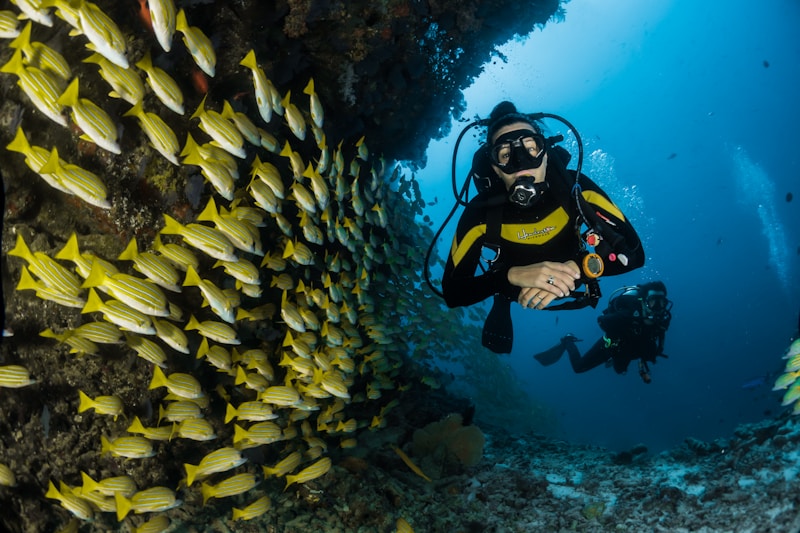
Get Scuba Certified
Unlock the underwater world with your open water certification.
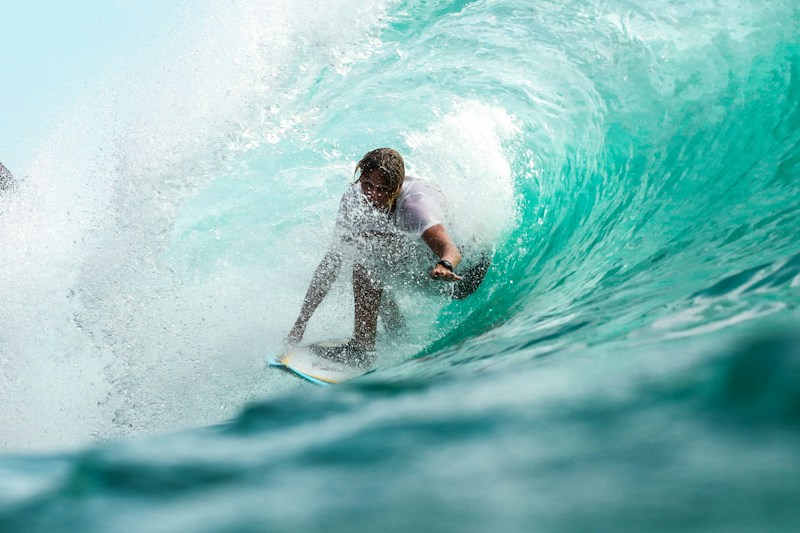
Learn to Surf
Catch your first wave and ride the ocean's energy.
Learn to Freedive
Dive deep on a single breath.
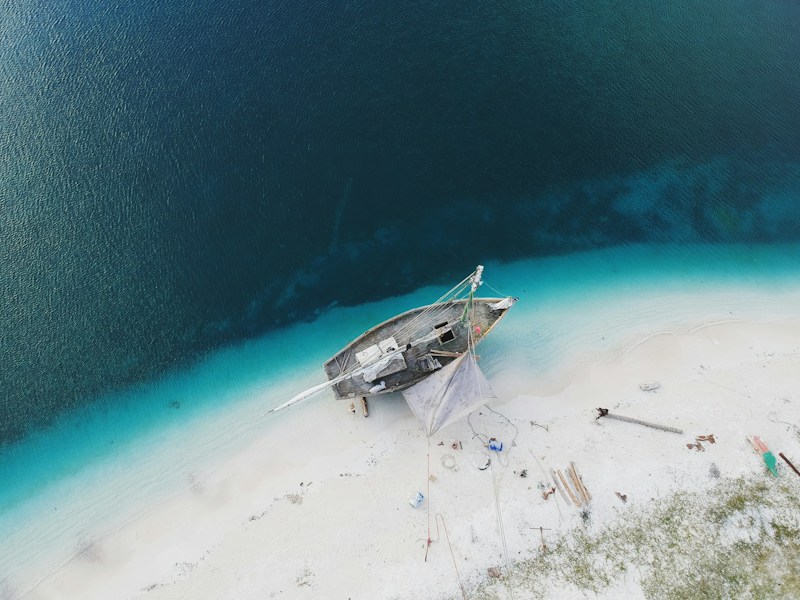
Sail Solo Around the World
Circumnavigate the globe alone by sailboat.