Learn to Freedive
From $300
At a Glance
$300+
2-4 days for certification
Egypt, Philippines, Honduras, Indonesia
Year-round in warm waters
About This Experience
Freediving reduces diving to its essence: you, the water, and a single breath that must carry you down and back. There is no regulator hissing, no bubbles rising, no equipment separating you from the marine environment. You descend into the blue as quietly as a fish, your presence tolerated by creatures that flee from scuba divers, your awareness focused on the sensations that will tell you when to turn back. The practice blends athletic achievement with something closer to meditation—the breath control, the mental calm, the dissolution of the boundary between self and sea. Many freedivers describe the experience in spiritual terms that they would never use for other activities. The physiology involves the mammalian dive reflex, an ancient response that humans share with whales and seals. When your face submerges in cold water, your heart rate slows, blood shifts to protect vital organs, and your body becomes temporarily capable of surviving on far less oxygen than normal function requires. Training develops this reflex while building CO2 tolerance—the ability to remain calm despite the rising discomfort that signals the need to breathe. The combination allows breath-holds that beginners cannot imagine: two minutes comes quickly with training, three minutes is common, and competitive freedivers exceed ten minutes in static breath-holds. The depth dimension creates the sport's most dramatic achievements. Recreational freedivers commonly reach 20-30 meters, exploring reefs and interacting with marine life at depths that snorkeling cannot access. Serious freedivers push to 40-60 meters, entering the realm where pressure compresses lungs and buoyancy shifts from positive to negative—where you stop floating up and start sinking down. Elite competitors descend past 100 meters, spending minutes in a world of pressure and darkness that seems incompatible with human survival. These depths are dangerous; fatalities occur even among experts. The training available globally can take a complete beginner to basic certification in 2-4 days. Courses typically cover breathing techniques, relaxation methods, equalization (clearing ears as pressure builds), and safety protocols including the buddy system and recognizing blackout symptoms. Popular training destinations include Dahab (Egypt), where the Blue Hole provides a dramatic training environment; Roatan (Honduras); Koh Tao (Thailand); and Bali. The warm, clear waters of these locations make learning pleasant while the diving infrastructure supports skill development. The safety considerations center on shallow water blackout—loss of consciousness during ascent that drowns even strong swimmers. As you ascend, decreasing pressure allows oxygen to move from blood to lungs, potentially dropping blood oxygen below consciousness threshold before you reach the surface. The solution is never freediving alone: a buddy watches from above, ready to assist if you lose consciousness. This requirement shapes the sport's social aspect; freedivers rarely dive solo, and the buddy relationship involves mutual responsibility that builds connection. The experience differs fundamentally from scuba diving despite occupying the same waters. Scuba divers carry their atmosphere with them, insulated from the environment by equipment and process. Freedivers enter the water raw, their time limited by physiology, their movements constrained by the need to conserve oxygen. This limitation transforms how you see the underwater world—everything is heightened because everything is brief. The fish that scuba divers might glance at becomes fascinating when you know your time with it is measured in seconds. The progression extends as far as you want to take it. Recreational certifications provide skills for reef exploration and snorkeling with more capability. Advanced training builds depth and duration for those seeking to push limits. Competition provides structured progression for the athletically inclined. Or the practice can remain personal—a meditative exercise, a connection to ocean, a capability that enriches travel without requiring achievement. The water doesn't care how deep you go; it offers the same silence and beauty at 10 meters as at 100.
Cost Breakdown
Estimated costs can vary based on location, season, and personal choices.
Budget
Basic experience, economical choices
Mid-Range
Comfortable experience, quality choices
Luxury
Premium experience, best options
Difficulty & Requirements
Requires some preparation, skills, or resources.
Physical Requirements
Relaxation ability, breath-hold capacity
Prerequisites
- Swimming ability
- Comfort in deep water
Tips & Advice
Freediving is about relaxation, not force
Never freedive alone
Dahab, Egypt is a top training destination
You'll be surprised how long you can hold your breath
Yoga practice helps with breath work
Related Topics
Community Discussion
Ask questions, share tips, or read experiences from others.
View Discussions Start DiscussionShare This Experience
Quick Summary
- Category Adventure
- Starting Cost $300
- Time Needed 2-4 days for certification
- Best Season Year-round in warm waters
- Difficulty Challenging
Explore More
You Might Also Like
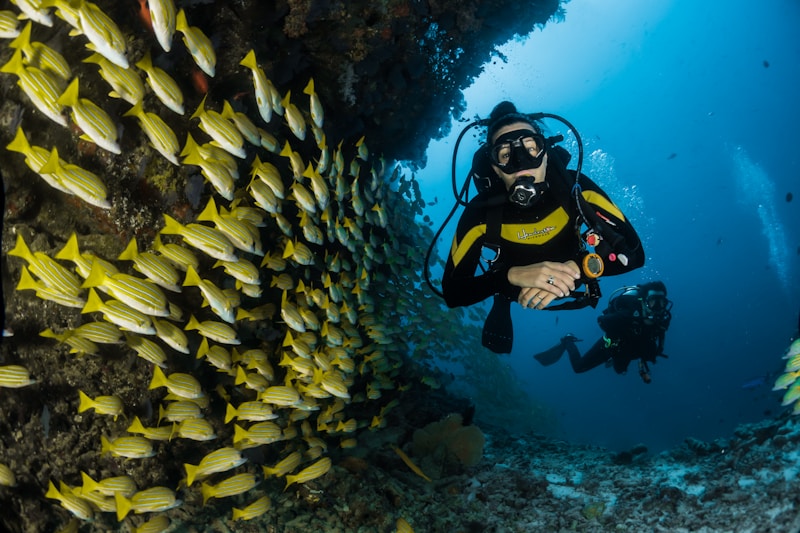
Get Scuba Certified
Unlock the underwater world with your open water certification.
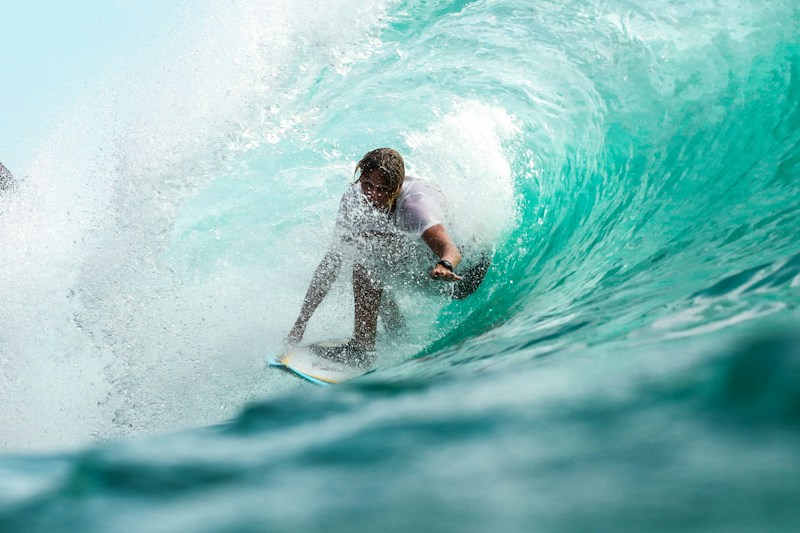
Learn to Surf
Catch your first wave and ride the ocean's energy.
Go Night Scuba Diving
Explore the underwater world after dark with a flashlight.
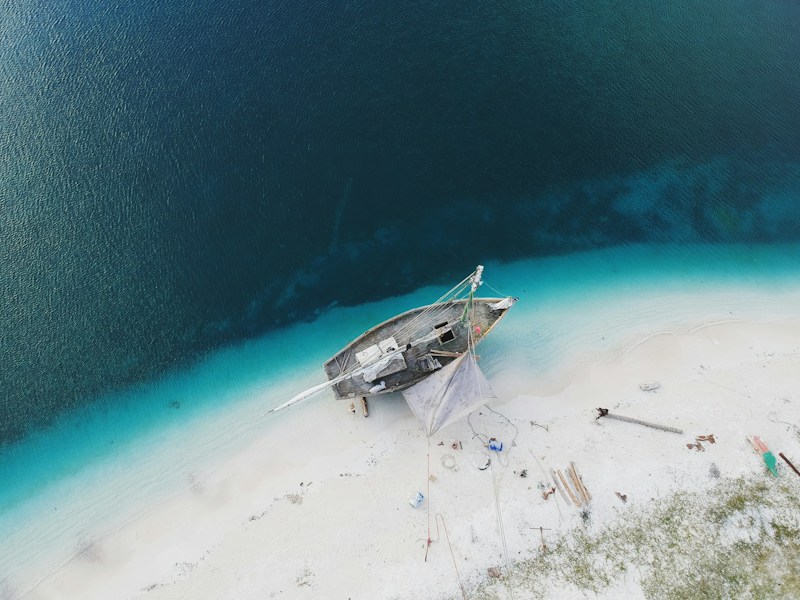
Cross an Ocean by Sailboat
Make an ocean passage under sail power.