Experience Berlin
From $900
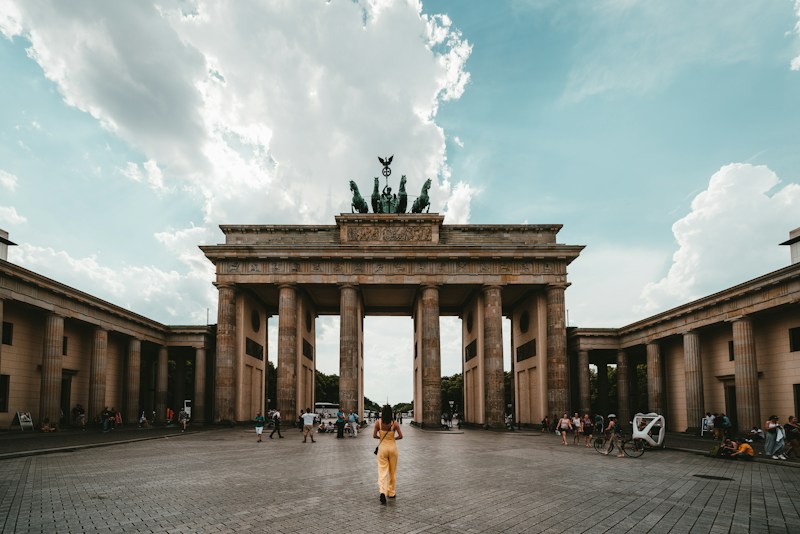
Experience Berlin
Explore history, art, and legendary nightlife in Germany's creative capital.
At a Glance
$900+
4-6 days
Germany
May-September
About This Experience
Berlin exists in multiple timelines simultaneously—the imperial capital of Prussian kings and kaisers, the decadent Weimar-era playground, the Nazi seat of power, the divided Cold War city, and now the reunified creative capital that draws artists, entrepreneurs, and seekers of affordable urban living from across Europe. No city better embodies 20th-century history, its scars and triumphs visible in architecture, monuments, and the very layout of streets that once dead-ended at a wall. This history coexists with Berlin's present identity: affordable (by European capital standards), creative, tolerant, and host to nightlife that operates on schedules incomprehensible to other cities. The Berlin Wall, which divided the city from 1961 to 1989, defines the historical experience. The East Side Gallery preserves the longest remaining section, its concrete transformed into an open-air gallery where artists from around the world have created murals—the fraternal kiss between Brezhnev and Honecker, the Trabant car breaking through the wall. The Berlin Wall Memorial on Bernauer Strasse documents the wall's history with preserved sections, guard towers, and the death strip where those attempting escape were shot. Checkpoint Charlie, the famous crossing point, has become touristy but still resonates. Museum Island concentrates world-class collections on a small island in the Spree River. The Pergamon Museum houses massive reconstructed monuments—the Pergamon Altar, the Ishtar Gate of Babylon, the Market Gate of Miletus—that required entire gallery halls. The Neues Museum displays the famous bust of Nefertiti alongside Egyptian and prehistoric collections. The Altes Museum, Bode Museum, and Alte Nationalgalerie complete an ensemble of cultural institutions that requires multiple days to explore properly. The UNESCO World Heritage designation recognizes both the architecture and the collections within. The memorial landscape addresses history that cannot be avoided. The Memorial to the Murdered Jews of Europe—a field of 2,711 concrete stelae of varying heights near the Brandenburg Gate—creates an atmosphere of disorientation and unease without explicit symbolism or explanation. The Topography of Terror documents Nazi persecution on the site of former Gestapo and SS headquarters. The Jewish Museum Berlin, in a striking Daniel Libeskind building, provides comprehensive coverage of German-Jewish history. These sites make Berlin's historical engagement unavoidable and, for many visitors, essential. The neighborhoods provide distinct characters. Mitte, the central district including Museum Island and most tourist sights, represents reunified Berlin's establishment face. Kreuzberg maintains countercultural energy that attracted immigrants and artists when it was an affordable West Berlin enclave against the wall. Friedrichshain, its eastern counterpart across the river, has gentrified rapidly but retains bars and clubs that epitomize Berlin's alternative scene. Prenzlauer Berg has transformed from bohemian to bourgeois, its streets now lined with organic shops and parents pushing expensive strollers. Neukölln represents the current frontier, its immigrant communities and cheap rents attracting the creative class that can no longer afford inner neighborhoods. The nightlife operates by different rules. Clubs open on Friday night and close on Monday morning—or later—with crowds arriving at 2 or 3 AM and staying until their bodies collapse. Berghain, the former power plant that has become the world's most famous techno club, exemplifies the scene: legendary door selection, industrial aesthetics, world-class sound systems, and a drug-fueled atmosphere that prioritizes the music over everything else. Getting rejected at the door (very common) is itself a Berlin experience; getting in delivers access to a temple of electronic music. The street art transforms the city into an open-air gallery. Murals cover entire building facades, particularly in Kreuzberg and Friedrichshain. The Urban Nation museum legitimizes the form while the streets continue producing new works. This art reflects Berlin's creative culture—space is available, rules are few, and expression is valued. The practical aspects include Berlin's efficiency and affordability. Public transportation covers the spread-out city effectively, with a single ticket allowing unlimited travel within zones. Accommodation and food cost less than Paris, London, or Amsterdam. English is widely spoken, especially among younger residents. The weather is continental European—cold winters, warm summers—with spring and fall providing the most pleasant conditions. Berlin demands engagement with difficult history while offering creative present and uncertain future. The city that has been destroyed and rebuilt multiple times continues evolving, its identity still forming three decades after reunification.
Cost Breakdown
Estimated costs can vary based on location, season, and personal choices.
Budget
Basic experience, economical choices
Mid-Range
Comfortable experience, quality choices
Luxury
Premium experience, best options
Difficulty & Requirements
Perfect for beginners. Minimal preparation needed.
Physical Requirements
Walking
Tips & Advice
Museum Island needs at least a half day
Walk the East Side Gallery (Berlin Wall)
Visit the Memorial to the Murdered Jews of Europe
Explore different neighborhoods - each has character
Berghain is legendary but hard to enter
Community Discussion
Ask questions, share tips, or read experiences from others.
View Discussions Start DiscussionShare This Experience
Quick Summary
- Category Travel
- Starting Cost $900
- Time Needed 4-6 days
- Best Season May-September
- Difficulty Easy
You Might Also Like
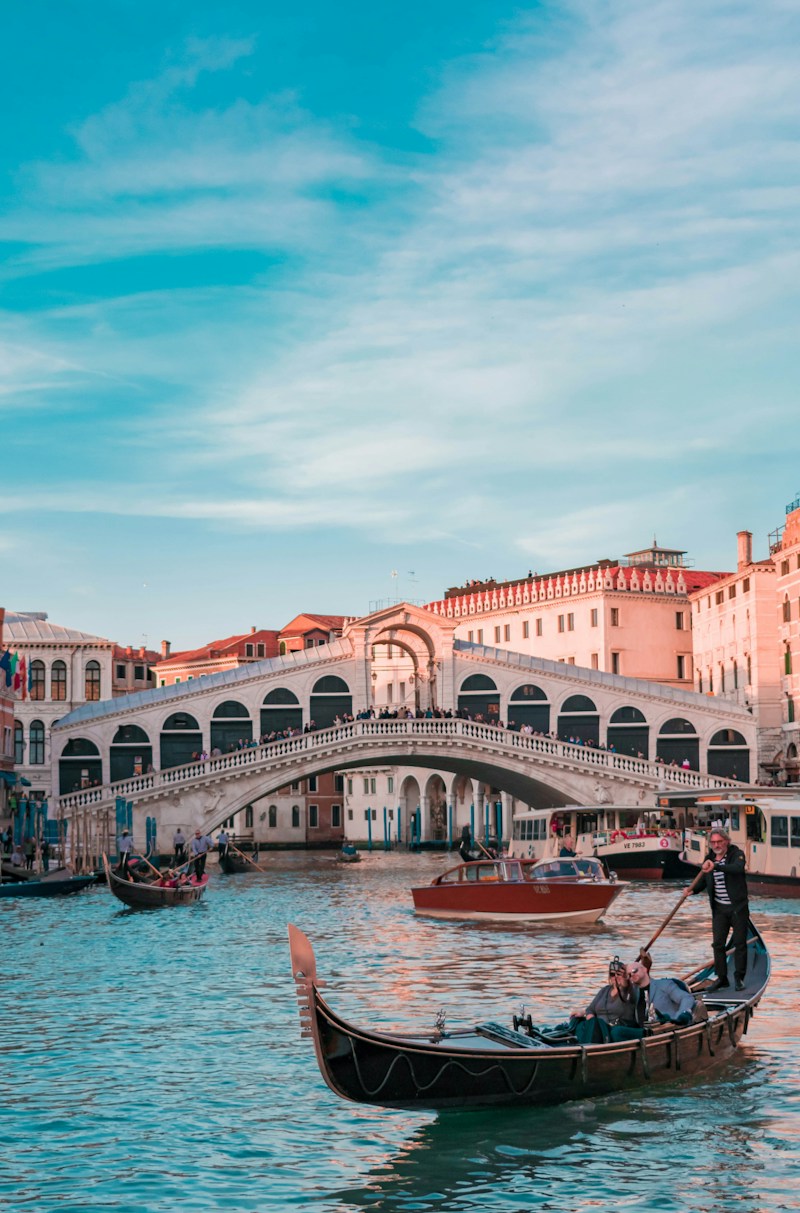
Get Lost in Venice
Wander the enchanting canals and hidden squares of the floating city.

Explore Angkor Wat
Discover the ancient temples of the Khmer Empire in the Cambodian jungle.
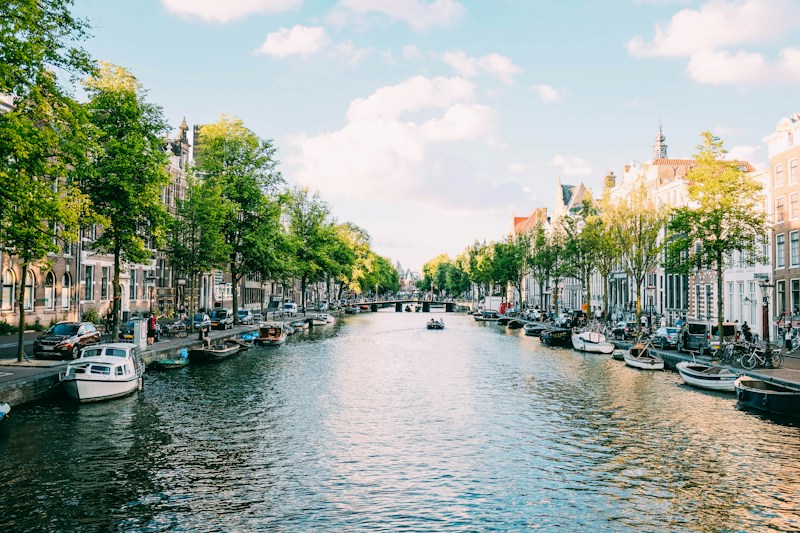
Cycle Through Amsterdam
Explore the charming canals and world-class museums by bicycle.
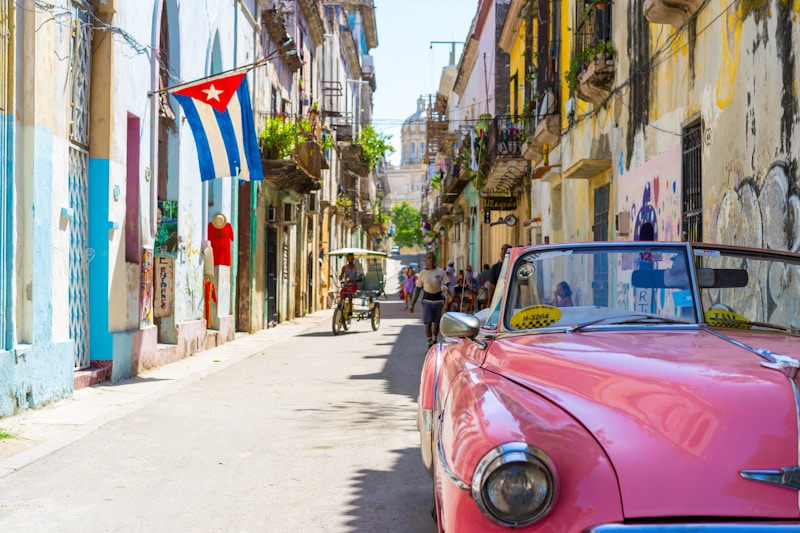
Step Back in Time in Havana
Experience the faded glamour of classic cars, salsa, and Caribbean culture.