Sleep Under Stars in the Sahara
From $500
Sleep Under Stars in the Sahara
Camp among towering sand dunes in the world's largest hot desert.
At a Glance
$500+
2-3 days (from Marrakech)
Morocco (Erg Chebbi or Erg Chigaga)
October to April
About This Experience
The Sahara stretches across eleven countries and 9 million square kilometers, the world's largest hot desert, yet the experience that draws travelers involves only a few square meters—a blanket spread on sand beneath more stars than urban dwellers know exist, the silence interrupted only by wind across dunes that will look different tomorrow than they do tonight. Morocco offers the most accessible Sahara experience, with established routes from Marrakech or Fez leading to the great sand seas (ergs) where dunes tower like golden mountains and the desert delivers the transformative encounters that photographs cannot convey. The journey to the Sahara is itself part of the experience. Most travelers cross the High Atlas Mountains, where Berber villages cling to slopes and the Tizi n'Tichka pass reaches nearly 2,300 meters before descending through landscapes of increasing aridity. The road passes through Ouarzazate, the "gateway to the desert" and center of Morocco's film industry, where kasbahs built for Lawrence of Arabia and Game of Thrones stand alongside authentic fortified villages. The Draa Valley, Africa's longest oasis, lines the route with date palms that sustain communities existing here for millennia. Erg Chebbi, near the town of Merzouga, presents Morocco's most impressive dune field—dunes reaching 150 meters high in colors that shift from gold to orange to pink as light changes throughout the day. This is the Sahara of imagination, where wind sculpts ridgelines sharp as knife edges and footprints disappear within hours. Erg Chigaga, more remote and less visited, offers similar scale with greater solitude, the journey itself requiring four-wheel drive across stony desert before the dunes appear. The camel ride into the desert marks the transition from tourism to experience. These are dromedaries—single-humped camels adapted perfectly to the Sahara's demands—and their swaying gait becomes hypnotic once initial awkwardness fades. The ride typically takes an hour or two, enough to leave roads and modern infrastructure behind, enough for the desert's scale to become apparent. Some find camels uncomfortable; alternatives including 4x4 transfers exist for those prioritizing other aspects of the experience. Desert camps range from basic Berber tents to luxury glamping with proper beds, hot showers, and multi-course dinners. The spectrum allows choosing between authentic simplicity and comfort—both legitimate depending on what you seek. The common elements matter more than the differences: sunset from a dune crest, dinner around a fire with traditional music, and the night sky that justifies every kilometer traveled. The Saharan night sky defies description because most people have never seen anything comparable. Light pollution has stolen the Milky Way from billions of people, but here it blazes across the sky in a band of light that ancient peoples saw as a river of milk. Shooting stars appear every few minutes during active periods. The silence is equally striking—not just the absence of traffic or voices but a depth of quiet that feels physical, broken occasionally by wind and the settling sounds of cooling sand. Sunrise reverses the journey—the dunes gilded again, shadows stretching west now instead of east, the heat beginning to build that will make midday exploration impossible. The return to Merzouga or camp brings breakfast and, for most, the departure that the experience makes reluctant. Some travelers extend with nights in different camps, sandboarding adventures, or excursions deeper into the desert's vast interior. The timing and planning considerations include temperature extremes—summers bring heat that makes Saharan travel dangerous, while winter nights drop below freezing, requiring warm layers that surprise those expecting only heat. Spring and autumn provide the sweet spot. Sandstorms can close roads and reduce visibility to meters. Reliable operators with safety protocols and local expertise prevent adventures from becoming misadventures. The cultural dimension adds depth to the natural spectacle. The Berber nomads who guide travelers to camps have heritage stretching back millennia, their knowledge of desert survival, navigation, and weather patterns accumulated across generations. Many camps employ and support local communities, providing economic alternatives to traditional nomadism increasingly difficult to sustain. Conversations around evening fires, often through translation, reveal perspectives shaped by the desert's demands. The Sahara delivers something beyond scenery—a scale and silence that recalibrates. The stars that our ancestors knew, the landscape unchanged since before humans existed, the reduction of concerns to immediate and physical—cold, warmth, sleep, wakefulness. One night is enough to understand why desert experiences appear in spiritual traditions across cultures. The return to cities and connectivity feels like waking from a dream that you're not quite sure you want to leave.
Cost Breakdown
Estimated costs can vary based on location, season, and personal choices.
Budget
Basic experience, economical choices
Mid-Range
Comfortable experience, quality choices
Luxury
Premium experience, best options
Difficulty & Requirements
Accessible for most people with basic planning.
Physical Requirements
Ability to ride a camel
Tips & Advice
Erg Chebbi near Merzouga has the biggest dunes
Book a luxury camp for comfort with authenticity
Bring layers - desert nights are cold
Wake for sunrise over the dunes
Combine with visits to kasbahs along the way
Community Discussion
Ask questions, share tips, or read experiences from others.
View Discussions Start DiscussionShare This Experience
Quick Summary
- Category Travel
- Starting Cost $500
- Time Needed 2-3 days (from Marrakech)
- Best Season October to April
- Difficulty Moderate
You Might Also Like
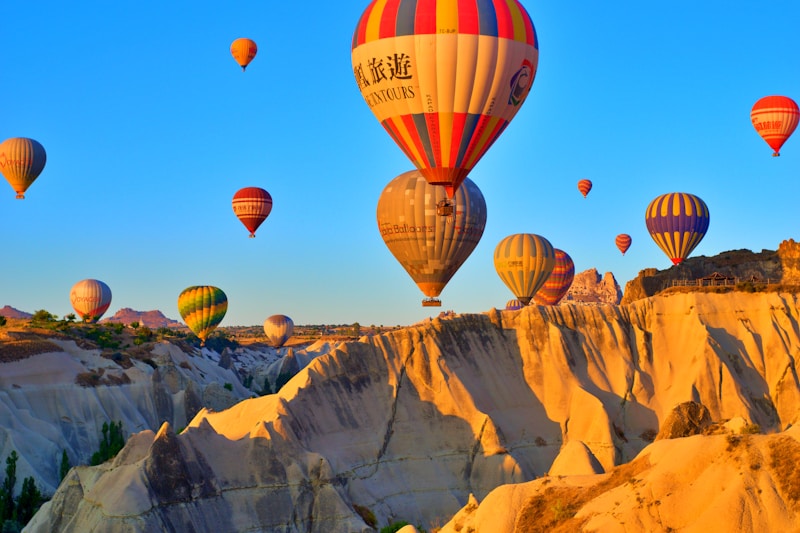
Float Over Cappadocia in a Hot Air Balloon
Drift above fairy chimneys and ancient cave dwellings at sunrise.
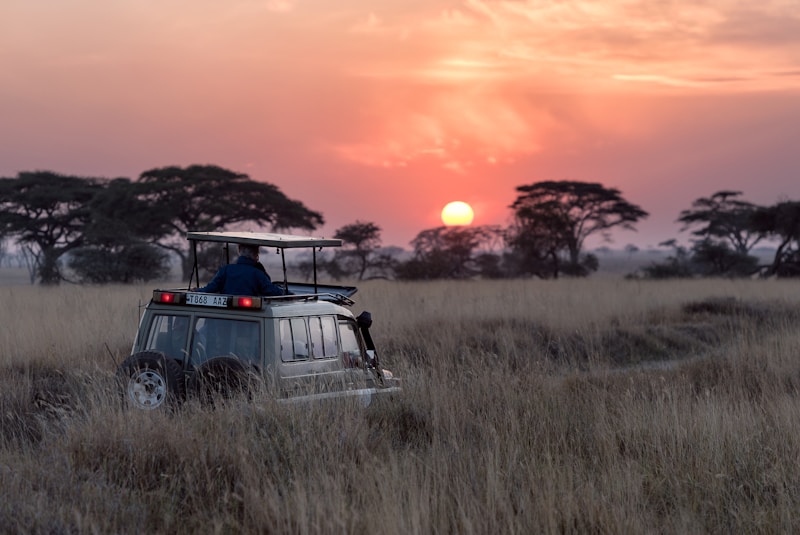
Go on an African Safari
Witness the Big Five and the great migration in their natural habitat.

Visit Petra, Jordan
Discover the ancient rose-red city carved into desert cliffs.
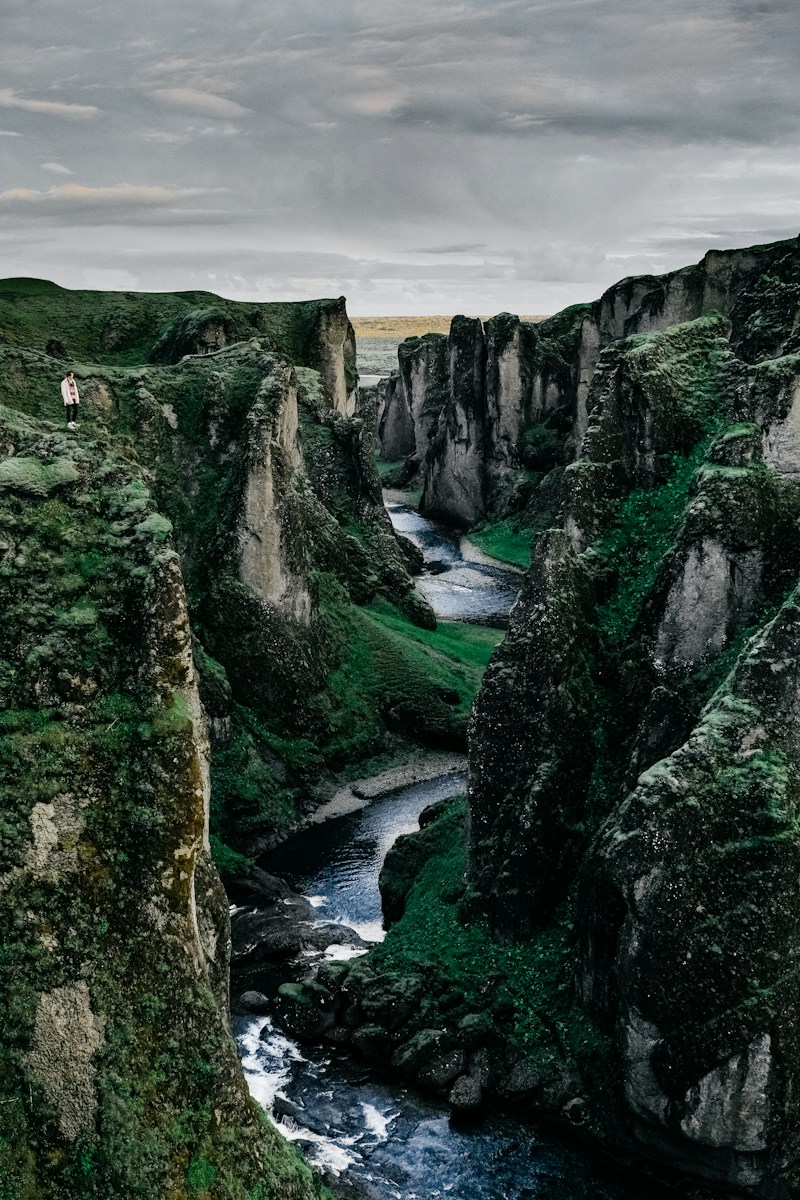
Drive Iceland's Ring Road
Circle the entire island through otherworldly volcanic landscapes.