Try Downhill Mountain Biking
From $100
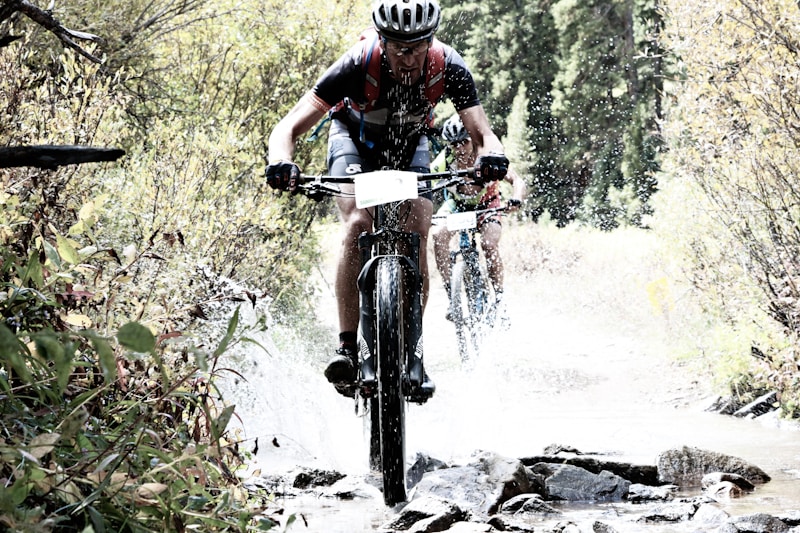
Try Downhill Mountain Biking
Race down technical trails on a full-suspension bike.
At a Glance
$100+
Full day
Whistler, Moab, Alps, New Zealand
Summer and fall
About This Experience
Downhill mountain biking condenses mountain terrain into pure descent—you point your bike down the fall line and navigate whatever obstacles the mountain puts in your path at whatever speed gravity and courage allow. Rock gardens demand instant line choices; jumps launch you into air where body position determines whether you land rolling or crashing; drops test your commitment to releasing brakes when every instinct screams to slow down. The sport rewards those who trust their bikes, their skills, and their ability to make split-second decisions while traveling at speeds that would injure any uncontrolled fall. The equipment has evolved to make the impossible possible. Full-suspension bikes with 200mm of travel absorb impacts that would destroy rigid frames. Disc brakes provide stopping power sufficient to scrub speed on grades that would overwhelm rim brakes. Tires with aggressive tread grip terrain that would slide out beneath smoother rubber. Geometry designed for stability at speed lets riders push limits that earlier equipment couldn't approach. The bikes are heavy and inefficient for climbing; that's why lift-access bike parks exist. Whistler Bike Park in British Columbia represents the discipline's pinnacle—a ski resort converted to summer bike operations with over 80 trails spanning all ability levels. The lift rises to access terrain that would require hours of climbing to reach otherwise; the descent provides continuous flow through berms, jumps, rock features, and forest singletrack. The infrastructure—trail maintenance, bike rentals, instruction, medical support—makes Whistler the destination against which all other bike parks are measured. Multi-day visits allow progression through trail difficulty as skills develop. The learning curve demands respect. The consequences of mistakes include injuries that can be serious: broken collarbones, concussions, and worse. Armor—knee pads, elbow pads, body protection, full-face helmets—reduces impact severity but doesn't prevent crashes. Learning to crash well (tucking rather than bracing, rolling rather than catching yourself) is itself a skill. The best progression involves instruction: lessons that teach body position, braking technique, line selection, and the mental game of committing to features that scare you. The skills involve physics that become intuitive with practice. Weighting the outside pedal through corners. Unweighting before obstacles to let the bike move beneath you. Looking through turns rather than at immediate obstacles. Pumping terrain to generate speed without pedaling. These techniques feel awkward at first, obvious once mastered, and impossible to explain adequately to someone who hasn't developed them through practice. The bike becomes extension of body; the trail becomes readable; the fear transforms into flow. The progression moves through jump lines, drops, rock gardens, and eventually competitive racing for those who catch the bug. What begins as white-knuckle survival on blue trails becomes comfortable cruising, then pushing into black-diamond terrain, then (for the committed) expert-only features that separate recreational riders from those pursuing genuine mastery. The ceiling is high; even professional riders are still learning and improving. The addictive quality comes from flow states that the activity reliably produces. When you're descending technical terrain at speed, there's no mental bandwidth for distraction—everything is immediate, physical, and fully engaging. This presence, this elimination of past and future in favor of absolute now, produces the satisfaction that brings riders back session after session, day after day. The mountain doesn't care whether you're having a good day; it presents the same features regardless. Learning to find flow regardless of external circumstances transfers to life beyond biking.
Cost Breakdown
Estimated costs can vary based on location, season, and personal choices.
Budget
Basic experience, economical choices
Mid-Range
Comfortable experience, quality choices
Luxury
Premium experience, best options
Difficulty & Requirements
Challenging. Significant preparation and commitment required.
Physical Requirements
Core strength, bike handling, reflexes
Prerequisites
- Basic mountain biking experience
Tips & Advice
Whistler Bike Park is the world's best
Rent before you buy - gear is expensive
Take a lesson first
Full-face helmet and armor are essential
Lift-accessed parks let you focus on downhill
Related Topics
Community Discussion
Ask questions, share tips, or read experiences from others.
View Discussions Start DiscussionShare This Experience
Quick Summary
- Category Adventure
- Starting Cost $100
- Time Needed Full day
- Best Season Summer and fall
- Difficulty Difficult
Explore More
You Might Also Like

Go Paragliding
Soar like a bird with just a parachute and the wind.
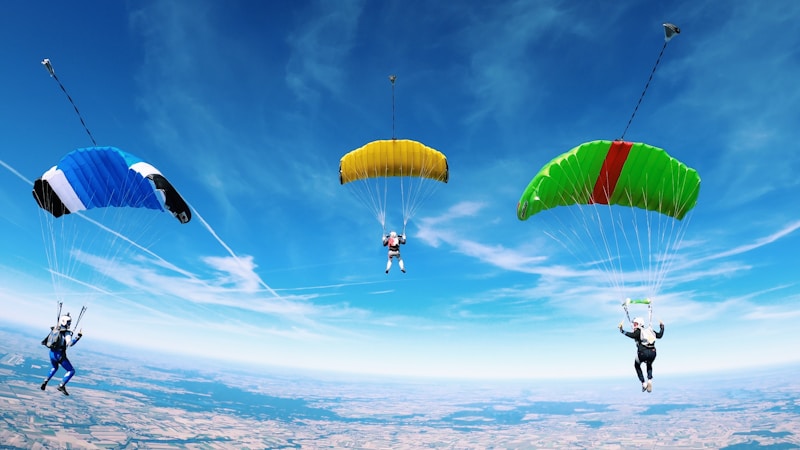
Go Skydiving
Experience the ultimate adrenaline rush by jumping from a plane.

Bungee Jump
Take the leap and freefall before bouncing back.
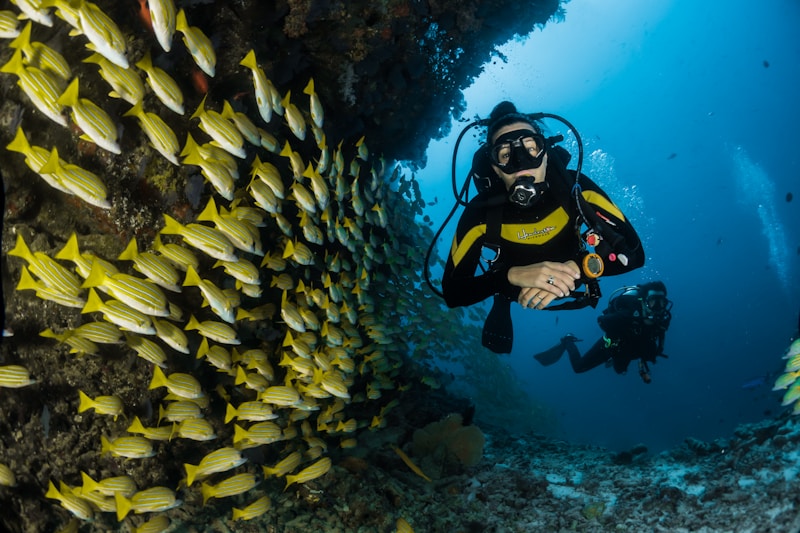
Get Scuba Certified
Unlock the underwater world with your open water certification.