Experience Bali
From $1.0k
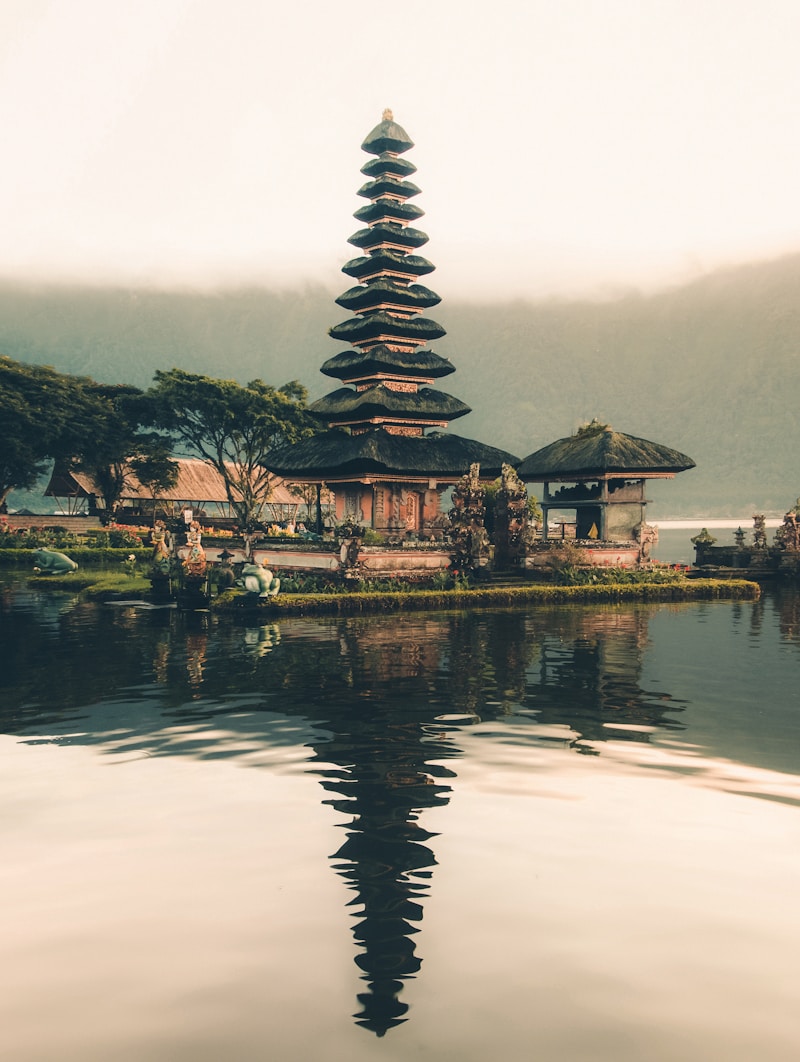
Experience Bali
Find your bliss among temples, rice terraces, and pristine beaches.
At a Glance
$1.0k+
7-14 days
Indonesia
April to October (dry season)
About This Experience
Bali occupies a unique position in the traveler's imagination—an island where Hindu temples emerge from jungle mist, where terraced rice paddies cascade down hillsides in impossible shades of green, where ceremonies and offerings mark the rhythms of daily life, and where the pursuit of paradise takes forms ranging from spiritual awakening to world-class surfing to hedonistic nightlife. This Indonesian island has something for nearly everyone, which explains both its appeal and its challenges as millions of visitors seek their own version of Balinese bliss. The island's Hindu identity, unique in majority-Muslim Indonesia, shapes everything visitors experience. Offerings of flowers, rice, and incense (canang sari) appear on sidewalks, doorsteps, and temple shrines multiple times daily—not ancient tradition frozen for tourists but living practice that continues regardless of who watches. The calendar fills with ceremonies: temple anniversaries, purification rituals, the elaborate cremation rites that return souls to the cosmic cycle, and Nyepi (Day of Silence) when the entire island shuts down completely—no flights, no cars, no lights, no activity—as evil spirits pass overhead, fooled into thinking Bali is uninhabited. The temple complex at Besakih, clinging to the slopes of Mount Agung (Bali's highest peak and most sacred volcano), serves as the island's spiritual center, though individual villages maintain their own temple networks. Tanah Lot presents perhaps the most photographed image—a temple on a rock formation accessible only at low tide, silhouetted against spectacular sunsets. Tirta Empul's sacred springs allow visitors to participate in purification rituals under fountains that have flowed for over a thousand years. Uluwatu, perched on clifftops above the Indian Ocean, hosts traditional Kecak fire dances at sunset. The central Ubud region concentrates Bali's artistic and spiritual offerings. Rice terraces at Tegallalang demonstrate the subak system of cooperative water management that UNESCO recognized as cultural landscape. Galleries and workshops display paintings, wood carvings, and silverwork that continue traditions while evolving for contemporary markets. The Sacred Monkey Forest sanctuary combines temple ruins with macaque troops who've learned exactly how to extract snacks from tourists. Yoga studios, meditation centers, and wellness retreats proliferate, serving seekers drawn by Elizabeth Gilbert's "Eat Pray Love" phenomenon but staying for genuine transformation. The south coast delivers Bali's beach culture in distinct zones. Kuta and Legian offer budget accommodation, rowdy nightlife, and beaches crowded with vendors and beginning surfers. Seminyak steps upscale with boutique hotels, fine dining, and beach clubs where sunset cocktails cost what a week's room does in Kuta. Canggu has emerged as the digital nomad capital, its cafes filled with laptop workers sustaining themselves on smoothie bowls while the waves outside provide surfing breaks for all skill levels. Uluwatu and the Bukit Peninsula further south offer dramatic cliffs, hidden beaches accessible via steep staircases, and world-class breaks that draw serious surfers. The east coast preserves older Bali. Candidasa and Amed lack postcard beaches but offer excellent diving and snorkeling, traditional fishing villages, and glimpses of rice farming communities little changed by tourism elsewhere. The sunrise from the summit of Mount Batur (an active volcano hikeable in predawn darkness) reveals a landscape of volcanic lakes and jungle-covered ridges. The water temple at Tirta Gangga features pools, fountains, and stepping-stone paths through gardens that combine sacred function with aesthetic delight. Balinese cuisine provides its own pleasures. Babi guling (suckling pig), the island's most famous dish, involves whole pigs stuffed with spice paste and spit-roasted until the skin crackles. Bebek betutu—duck in complex spice mixtures wrapped in banana leaves and slow-cooked—requires day-long preparation. The humble warung (family-run eatery) serves nasi campur (rice with mixed accompaniments) for a fraction of restaurant prices. The contemporary food scene, particularly in Seminyak and Canggu, produces globally competitive cuisine that draws on Indonesian ingredients with international techniques. Tourism's impact on Bali generates complicated feelings. The island that drew artists and anthropologists in the early twentieth century now receives over six million visitors annually, straining infrastructure, driving up prices for locals, and creating environmental challenges that inadequate waste management struggles to address. Traffic jams clog what were recently peaceful roads. Rice paddies become villa developments. Authenticity—always a contested concept—becomes harder to locate as cultural performances cater to tourist schedules and traditional crafts adapt to foreign tastes. Yet Bali retains genuine magic for those who seek it. Witness a cremation ceremony where death is celebrated rather than mourned, where the elaborate tower burns with the body inside, releasing the soul to its next incarnation. Wake before dawn to watch offerings being placed at a village temple while mist rises from the paddies below. Sit with a traditional healer (balian) who diagnoses and treats through methods Western medicine doesn't recognize. The spiritual depth that makes Bali special exists alongside—and sometimes beneath—the commercialism that makes it accessible. Navigating Bali successfully means understanding the island's different faces and choosing which to embrace. Those seeking silence and spirituality can find it. Those wanting beach parties and Instagram moments can find those too. Those seeking authentic cultural immersion need to look harder than previous generations did but aren't pursuing something that's vanished. Bali accommodates contradictions—sacred and secular, traditional and commercial, crowded and serene—in ways that mirror the contradictions travelers bring with them.
Cost Breakdown
Estimated costs can vary based on location, season, and personal choices.
Budget
Basic experience, economical choices
Mid-Range
Comfortable experience, quality choices
Luxury
Premium experience, best options
Difficulty & Requirements
Perfect for beginners. Minimal preparation needed.
Physical Requirements
Minimal
Prerequisites
- Visa on arrival for many nationalities
Tips & Advice
Ubud for culture, Seminyak for dining, Uluwatu for beaches
Rent a scooter carefully or hire a driver
Watch sunset at Tanah Lot temple
Take a Balinese cooking class
Visit Tegallalang rice terraces early morning
Community Discussion
Ask questions, share tips, or read experiences from others.
View Discussions Start DiscussionShare This Experience
Quick Summary
- Category Travel
- Starting Cost $1.0k
- Time Needed 7-14 days
- Best Season April to October (dry season)
- Difficulty Easy
Explore More
You Might Also Like

Explore Angkor Wat
Discover the ancient temples of the Khmer Empire in the Cambodian jungle.
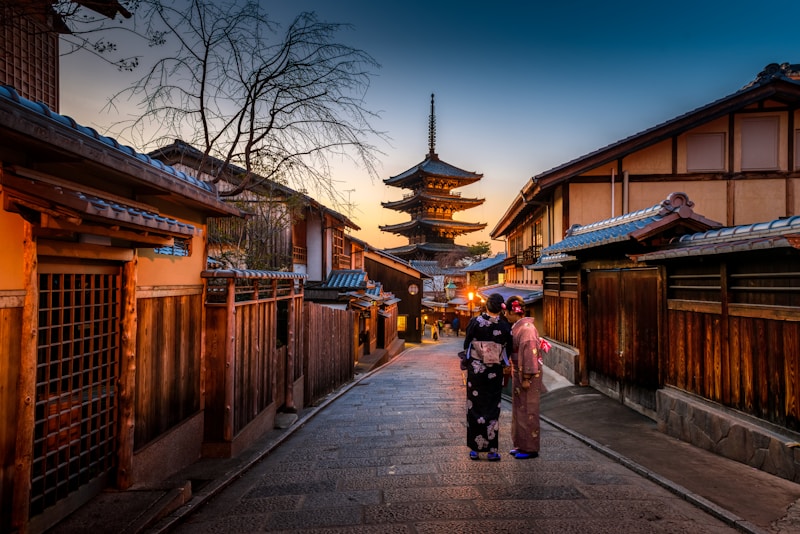
Temple-Hop Through Kyoto
Discover Japan's spiritual heart among thousands of shrines and temples.
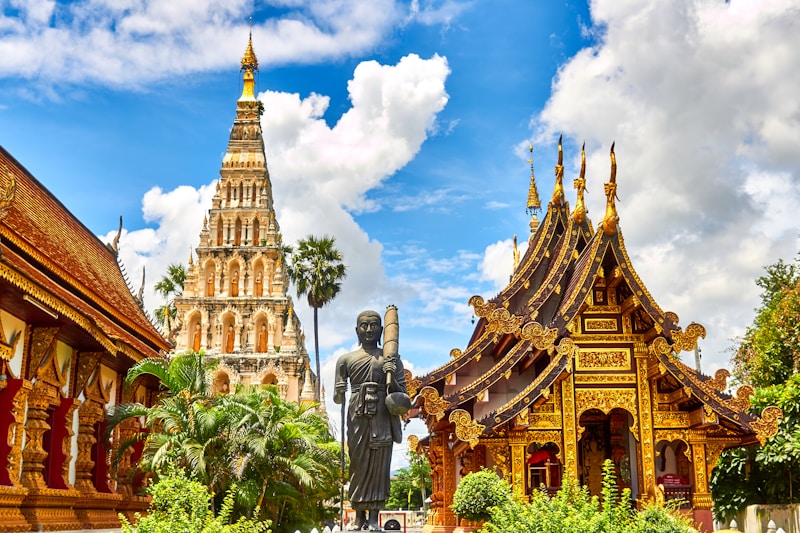
Explore Northern Thailand
Discover temples, hill tribes, and lush jungles around Chiang Mai.
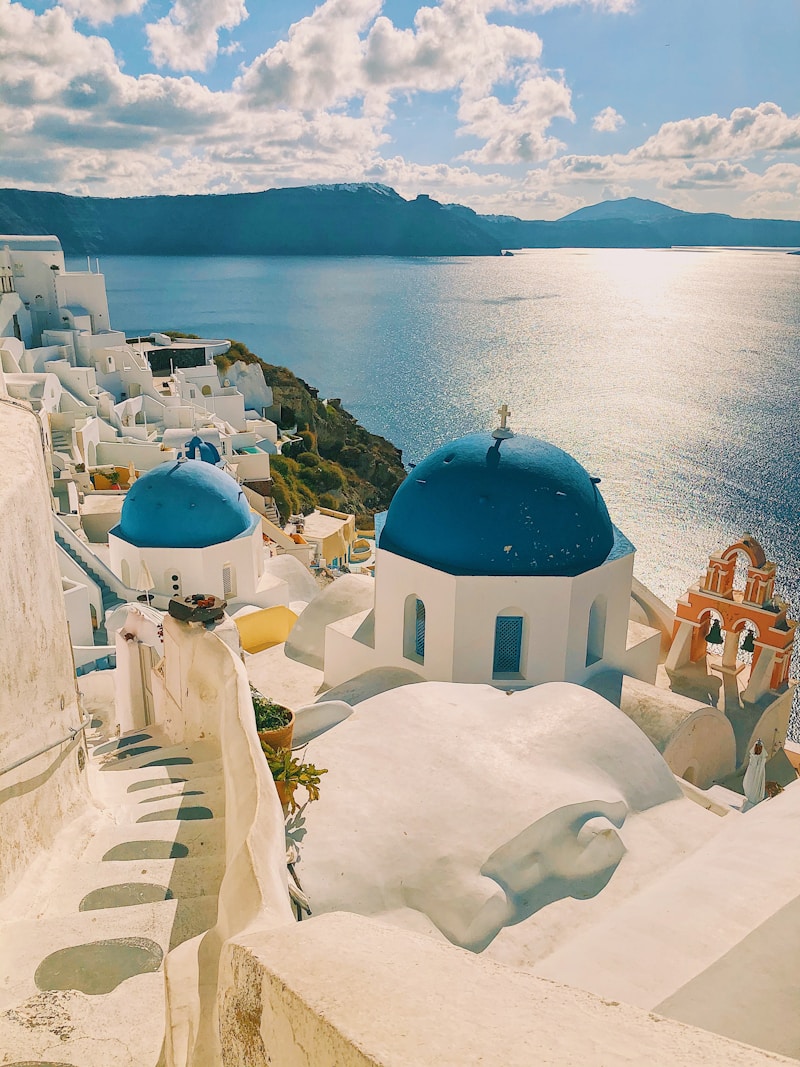
Explore Santorini, Greece
Wander through whitewashed villages perched on volcanic cliffs.