Soak in Budapest's Thermal Baths
From $700
Soak in Budapest's Thermal Baths
Relax in ornate thermal baths in the "City of Spas."
At a Glance
$700+
3-5 days
Hungary
Year-round (baths are heated)
About This Experience
Budapest rises on both banks of the Danube, the hills of Buda facing the flats of Pest across a river spanned by bridges that illuminated at night create one of Europe's most romantic cityscapes. But beneath this visible grandeur lies another Budapest—over 120 thermal springs feed bathhouses that have operated since Ottoman times, their waters drawing visitors for wellness before wellness became a marketing term. The "City of Spas" offers experiences unique to Central Europe: soaking in ornate pools while architectural splendor surrounds you, the mineral-rich waters providing relief that Romans discovered two millennia ago. Széchenyi Baths, in the City Park, represents the thermal experience at its most iconic—a neo-Baroque complex painted bright yellow, its outdoor pools steaming in winter while bathers play chess on floating boards. Built between 1909 and 1913, Széchenyi contains 18 pools fed by two thermal springs, the waters reaching temperatures up to 77°C (171°F) before cooling to bathing levels. The outdoor pools provide the famous imagery, but the indoor pools and saunas occupy ornate halls that justify entrance even without the thermal waters. Saturday night "sparties"—spa parties with DJs and light shows—transform the space into an entirely different experience. Gellért Baths offer Art Nouveau elegance that Széchenyi's grandeur cannot match. Opened in 1918, the complex includes the main thermal bath with its ornate colonnades, an outdoor wave pool added later, and private cabins and services that speak to an earlier era's ideas of wellness. The interior decorations—Zsolnay tiles, sculpted details, the sense of entering a temple to bathing—make Gellért the most aesthetically impressive of Budapest's baths. The experience differs from Széchenyi's boisterous energy; Gellért suits those seeking atmosphere over activity. The Rudas Baths preserve Ottoman heritage in structures the Turks built during their 150-year occupation of Hungary. The main pool sits beneath an octagonal dome, sunlight filtering through star-shaped openings in a space that has changed little since the 16th century. Recent renovations added a rooftop pool with panoramic Danube views—a modern addition to medieval authenticity. The traditional Turkish hammam atmosphere makes Rudas distinct from the later European-style bathhouses. The thermal tradition extends beyond the famous bathhouses. The Király Baths, another Ottoman original, occupy a smaller space with intimate atmosphere. The Lukács Baths, beloved by locals but less known to tourists, provide authentic Hungarian bathing culture without international crowds. The Palatinus Strand on Margaret Island offers outdoor thermal and swimming pools in a party atmosphere during summer months. Each bathhouse carries distinct character; exploring several reveals the range that Budapest's waters support. The city above the baths deserves equal attention. The Castle District in Buda preserves medieval street plans, the Royal Palace containing the Hungarian National Gallery and Budapest History Museum, Matthias Church with its distinctive tiled roof, and Fisherman's Bastion's neo-Romanesque terraces providing the definitive views across to the Parliament building in Pest. The Parliament itself, Gothic Revival on a scale to rival London's Westminster, anchors the Pest riverfront in a display of 19th-century Hungarian nationalism. The Chain Bridge connecting the two sides has linked Budapest since 1849, its nighttime illumination essential to the cityscape. The ruin bars in the old Jewish Quarter have become Budapest's signature nightlife. Beginning with Szimpla Kert in 2002, these bars occupy abandoned buildings—former factories, apartment blocks, even courtyards—decorated with salvaged furniture, graffiti, and the creative chaos that makes each one distinct. The ruin bar phenomenon has expanded beyond bars to include ruin pubs, ruin restaurants, and ruin markets, the aesthetic spreading through a neighborhood that combines historical tragedy (the Jewish ghetto during the Holocaust) with contemporary creativity. The food scene extends beyond goulash, though properly made goulash deserves the attention it receives. Lángos (fried dough with various toppings) provides market snacking. Kürtőskalács (chimney cake) appears at festivals and tourist spots. The Central Market Hall offers Hungarian products—paprika, sausages, foie gras, Tokaji wine—in a grand hall that functions as both marketplace and attraction. Fine dining has evolved considerably, with Budapest restaurants now competing for international recognition. The practical considerations include Budapest's affordability compared to Western Europe, the efficient public transportation (trams, metro, buses), and the ease of walking between major attractions. The currency is the Hungarian forint (not the euro), which can confuse calculations but doesn't affect functionality. English is common among younger Hungarians and in tourist areas. Budapest delivers thermal relaxation within a city of architectural grandeur, creating experiences that combine wellness and culture in proportions unique to Central Europe.
Cost Breakdown
Estimated costs can vary based on location, season, and personal choices.
Budget
Basic experience, economical choices
Mid-Range
Comfortable experience, quality choices
Luxury
Premium experience, best options
Difficulty & Requirements
Perfect for beginners. Minimal preparation needed.
Physical Requirements
Minimal
Tips & Advice
Széchenyi is the most famous and photogenic
Gellért has the most beautiful Art Nouveau interior
Saturday night "sparties" at Széchenyi are wild
Walk across the Chain Bridge at night
Ruin bars in the Jewish Quarter are legendary
Community Discussion
Ask questions, share tips, or read experiences from others.
View Discussions Start DiscussionShare This Experience
Quick Summary
- Category Travel
- Starting Cost $700
- Time Needed 3-5 days
- Best Season Year-round (baths are heated)
- Difficulty Easy
You Might Also Like
Step Back in Time in Havana
Experience the faded glamour of classic cars, salsa, and Caribbean culture.
Wander Through Prague
Explore the fairytale spires and cobblestone streets of the Golden City.
Ride Tram 28 Through Lisbon
Explore the charming hills and neighborhoods of Portugal's capital.
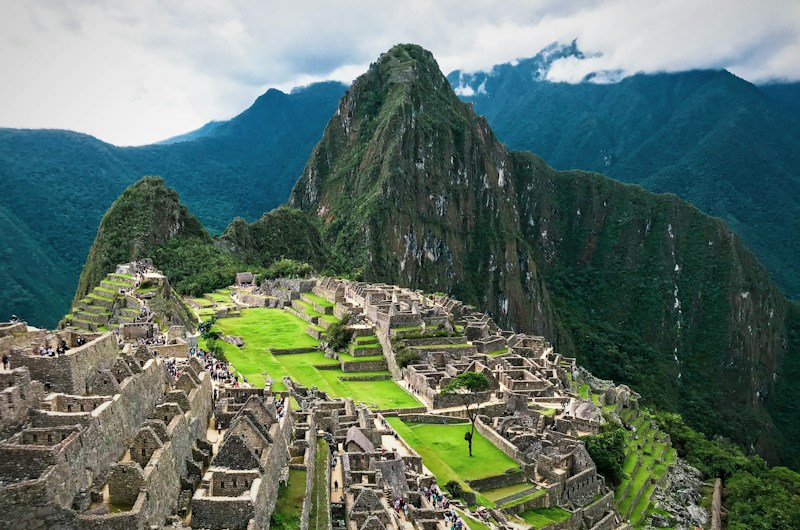
Visit Machu Picchu
Explore the ancient Incan citadel perched high in the Andes Mountains.